A steady hum from an air conditioner is normal. Even a low, occasional rattle can be harmless, especially if the unit sits on a slightly uneven pad or the fan blade has a tiny manufacturing imbalance that settles after a few seasons. The problem is that most “strange” noises are not random. They usually point to a specific component, and that component is either wearing out, misaligned, loose, or working harder than it should.
In Kansas City MO, where you can swing from mild days to humid heat and back again, air conditioners run a lot. That means small mechanical issues can show up fast. If your AC is making new noises, it is worth treating it like a message, not background noise. Sometimes it is as simple as a fan rubbing the housing. Other times, the sound is your unit warning you that a compressor or blower motor is struggling, or that refrigerant-related problems are starting to spiral.
Below is a practical guide to the most common AC noises, what they often mean, what you can safely check right away, and when it is time to call for AC repair or HVAC repair in Kansas City MO.
The sound is the diagnosis, if you listen the right way
When customers call about noise, the first mistake is describing it vaguely. “It rattles” or “it’s loud” does not help much, because rattling can come from a loose panel, a damaged fan blade, a failing motor mount, or debris in the unit. The second mistake is waiting until the system stops entirely, then troubleshooting becomes harder and more expensive.
A better approach is to match the noise to when it happens:
- Does it start as soon as the thermostat calls for cooling, or only after a few minutes? Is it present when the outdoor fan runs, when the indoor blower runs, or both? Does it change when the system cycles on and off? Is it a constant sound, or does it come in bursts?
Those details narrow the possibilities quickly, and they also help your HVAC contractor in Kansas City MO decide how urgent it is. Even if you ultimately call a pro, you can save time and money by noticing the pattern early.
Grinding, growling, or whirring that gets worse
A deeper, grinding, growling, or rough whirring sound usually points to friction somewhere in the system. The most common culprits are bearings in the outdoor fan motor, a failing indoor blower motor bearing, or a blower wheel with a damaged hub.
In real homes, I have seen this most often after winter shutdown and spring startup. If the unit sat idle for months, moisture can contribute to corrosion on motor components, and wear becomes more noticeable once everything spins again. In many cases, you also hear vibration through the cabinet. That is your hint that the noise is not just coming from the motor, but from parts that are no longer turning smoothly.
If the noise increases over time, do not treat it as something that will “burn off.” Mechanical wear does not improve on its own. A bearing can seize, and when it does, it can take out adjacent components.
What you can do immediately
If the noise is loud or obviously worsening, your safest first step is to shut the system down at the thermostat and power switch. Do not keep running it “to see if it clears up.”
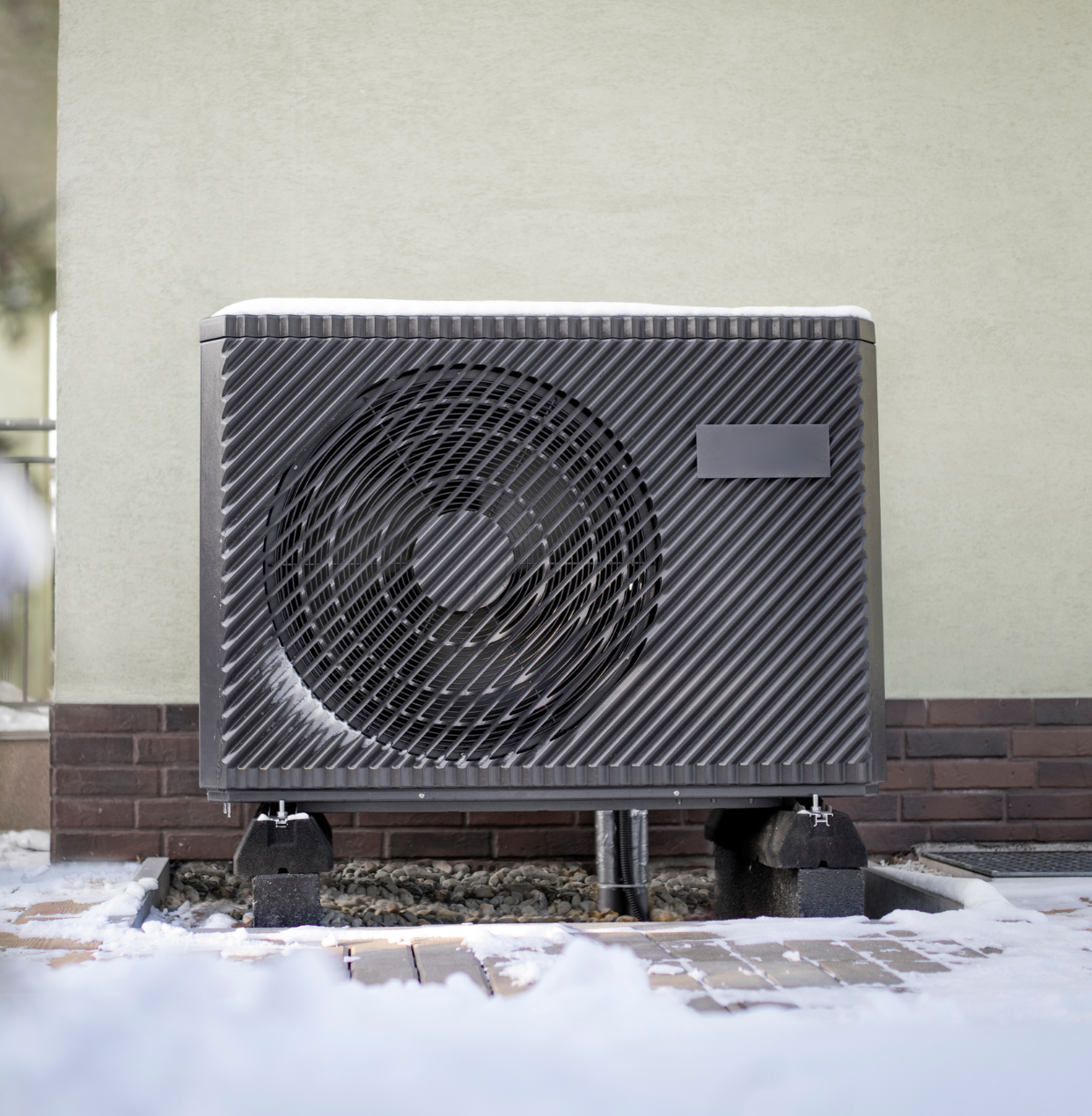
Rattling or banging: loose parts, debris, or a fan blade problem
Rattling often has a different character than grinding. It can sound like metal-on-metal, or like something in the cabinet is vibrating. When a system is cooling normally, it should be a controlled set of vibrations: the fan moving air, the compressor cycling, and belts or pulleys if applicable.
Rattles usually come from something loose, something out of place, or something that is hitting due to imbalance. Common causes include:
- A loose panel or service cover on the outdoor unit Loose mounting hardware on the outdoor fan or blower assembly Debris lodged in the fan area after a storm, yard work, or a stray object finding its way inside A fan blade with minor damage that becomes obvious under speed and load
I remember one Kansas City homeowner who described a “bunch of marbles” sound. The unit cooled fine at first, then the noise got louder whenever humidity rose and the compressor ran longer. When we opened the cabinet, a small piece of plant material had ended up in the indoor blower section. It was not blocking the fan completely, but it was creating an intermittent impact pattern that also affected airflow. The AC ran, but it ran less efficiently, and the blower motor was under extra strain.
If your AC is rattling, it is usually not a “wait and see” situation, especially if the rattle is new.
Screeching or squealing: belt issues or motor strain
If your system uses belts, screeching or squealing is often related to belt tension, belt wear, or a misaligned pulley. Many newer residential systems use direct-drive motors instead of belts, but in some installations you still see belts on certain blower setups.
Even when belts are not present, squealing can show up when bearings fail or when a motor is struggling under load. If the sound happens right at startup, that can indicate the motor is drawing more current or that a rotating component is not free-moving.
In Kansas City MO summers, there is a lot of thermal stress. If the unit is trying to start against heavy load, a failing motor component might squeal more during high humidity runs. That is not a sound you want to ignore, because a motor failure can be more expensive than the noise itself.
Clicking: relays, contactors, thermostat cycles, and tricky timing
Clicking is one of those noises that can be both normal and not normal, depending on the pattern.
Some systems will click when the compressor contactor engages and disengages. That is often a short, repeatable sound. If it is rhythmic and occurs only during normal cooling cycles, it may not be a problem.
However, frequent clicking, rapid cycling, or clicking that continues without actual cooling progress can point to electrical issues. For example, if the compressor is not staying engaged long enough, you might hear repeated clicks. That can be tied to low refrigerant charge, a failing capacitor, a sensor issue, or a control board problem. I am intentionally not oversimplifying here because clicking can be caused by multiple factors. The key is whether the system achieves stable cooling and whether the clicking is within expected cycle behavior.
If the clicking is paired with warm air or an AC that shuts off quickly, it is time to call.
Buzzing or humming: electrical, fan, or compressor clues
Buzzing and humming can overlap, and the difference matters.
A smooth, steady hum can be normal for some motor operations. A buzzing that sounds “electrical” or irregular can indicate a failing contactor or an issue with a capacitor or control component. Capacitors are common failure points in many climates because they cycle and they age. When they start to fail, the system may still attempt to run, but it may stumble, overheat, or trip protection.
A buzzing or humming that gets louder with time or appears along with a spike in temperature inside the house is a strong reason to schedule HVAC repair in Kansas City MO.
Whooshing, rattling ducts, or odd airflow noises
Not every weird sound is strictly from the outdoor unit. Some noises are caused by airflow through ducts or cabinets:
- A whooshing sound can occur when dampers or duct sections change pressure balance. Clicking can come from duct vibration interacting with framing. Popping can happen when air expands or when the system starts moving a different airflow path.
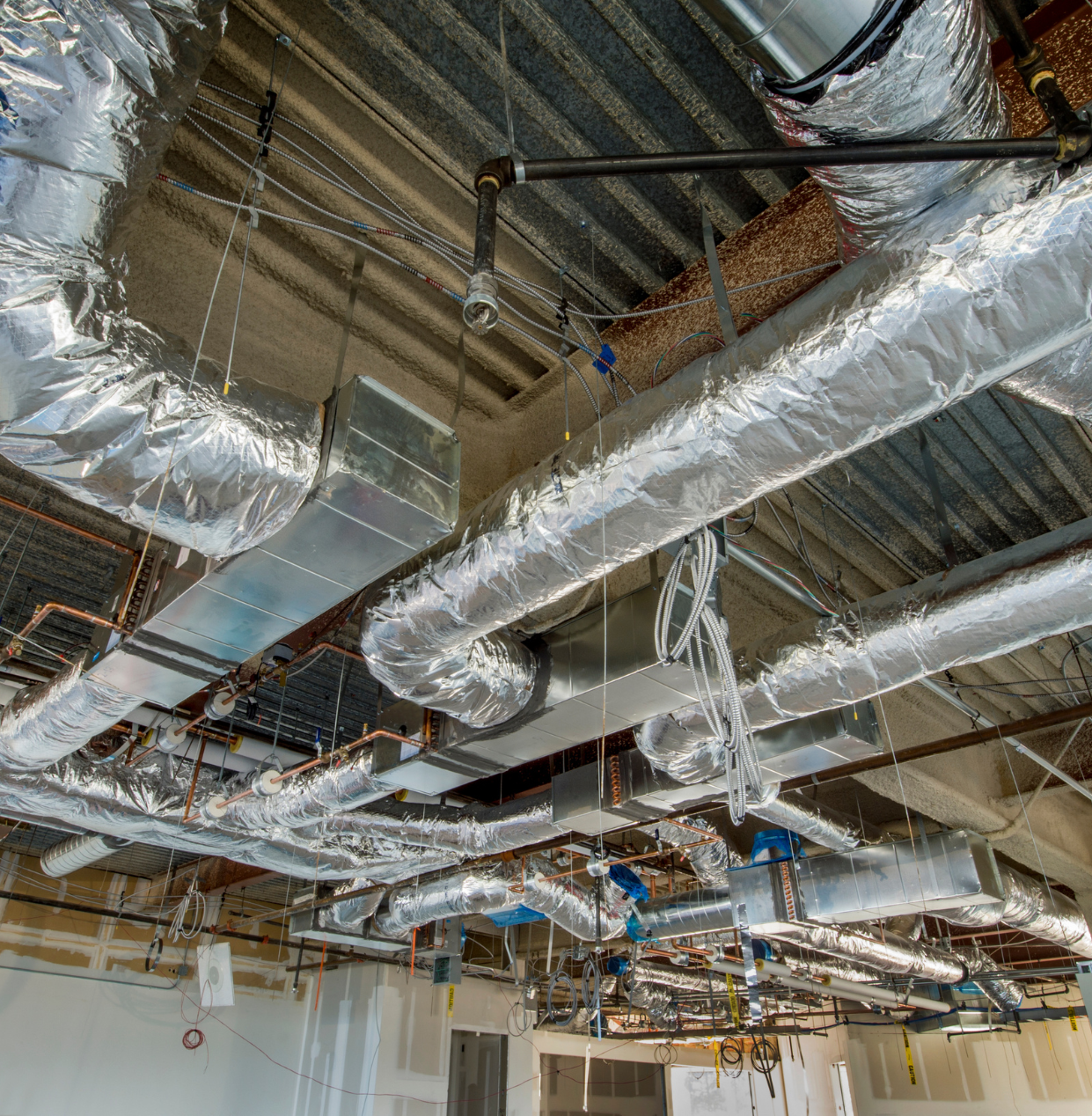
If you only hear the noise when the indoor blower runs, the issue might be in the air handler, filter area, blower wheel, or duct connection. If you only hear it from the outdoor unit, the outdoor fan or compressor circuit is the likely area.
This is where judgment matters. A quick look at the filter can reveal a lot, but filter problems usually do not produce metal-on-metal noises. Filter issues more often show up as restricted airflow, weaker cooling, higher run times, and sometimes a faint whistling.
Temperature and comfort: noise is not the only clue
Noise alone matters, but comfort changes are often the more urgent warning.
Ask yourself these questions:
- Is the air blowing weaker than usual? Are you feeling warmer air at registers? Is the unit running longer cycles to reach the set temperature? Are you noticing higher humidity indoors?
If the AC makes a new sound and the cooling performance drops, that combination is a bigger deal. It suggests the component causing the noise may also be reducing airflow, changing fan speed, or stressing the refrigeration cycle.
In Kansas City summers, humidity loads can be high. When parts are worn or slightly misbehaving, dehumidification suffers first. You might notice clamminess even while the thermostat seems satisfied.
Quick checks you can do without turning it into a project
There are a few safe, homeowner-level checks that do not require tools or opening cabinets. These steps can help you decide whether the unit is safe to leave off while you schedule repair.
If you hear loud noises, avoid reaching into the unit while it is powered. Also, if you see ice on coils or frost where it should not be, do not force operation.
Here is a short, practical set of checks:
- Check the air filter and replace it if it is very dirty or clogged. A plugged filter can increase fan strain and worsen symptoms. Look for obvious obstructions near the outdoor unit, like yard debris blocking the fan area. Listen for whether the noise happens in the indoor air handler, the outdoor unit, or both. Note whether the noise starts immediately at turn-on or after a delay, and whether it changes when the system cycles.
Those observations are useful to a technician, and they can also prevent you from delaying a needed repair.
When to call for AC repair in Kansas City MO
You do not need to hear a catastrophic sound to justify calling. If the noise is new, persistent, and linked to cooling operation, it is worth scheduling a diagnostic visit.
That said, some scenarios should move you toward “call now” instead of “monitor for a few days.”
Consider calling AC repair in Kansas City MO if you have:
- Grinding, screeching, or loud rattling that continues during operation Clicking that repeats rapidly or comes with failure to cool Buzzing that sounds electrical, especially if the unit trips breakers Any signs of burning smells, visible smoke, or scorched components Weak airflow combined with unusual fan or cabinet sounds
Even if the unit still cools, these noises often signal components that are approaching failure. The cost difference between repairing before a breakdown and repairing after a burnout can be dramatic.
Why “it still works” can cost more
I have heard it many times: “We’re fine for now.” For a while, the unit may cool well enough. Then one day it does not start, or it runs but cannot keep up. Here is what changes during that progression.
Worn bearings and damaged fan blades can increase friction. Increased friction means more strain on motors. That can lead to overheated components, tripped protections, or damaged wiring. Loose parts can fall into areas that jam a fan. Electrical issues that look minor early can cause a capacitor failure, which can then lead to a compressor starting problem. Once a compressor has a hard failure, repairs can shift from a couple of parts to a larger system-level decision.
Also, running a unit with reduced efficiency increases energy use. Over a Kansas City summer, that can matter. You may feel the discomfort first, but your electric bills tell a parallel story.
What a real diagnostic usually includes
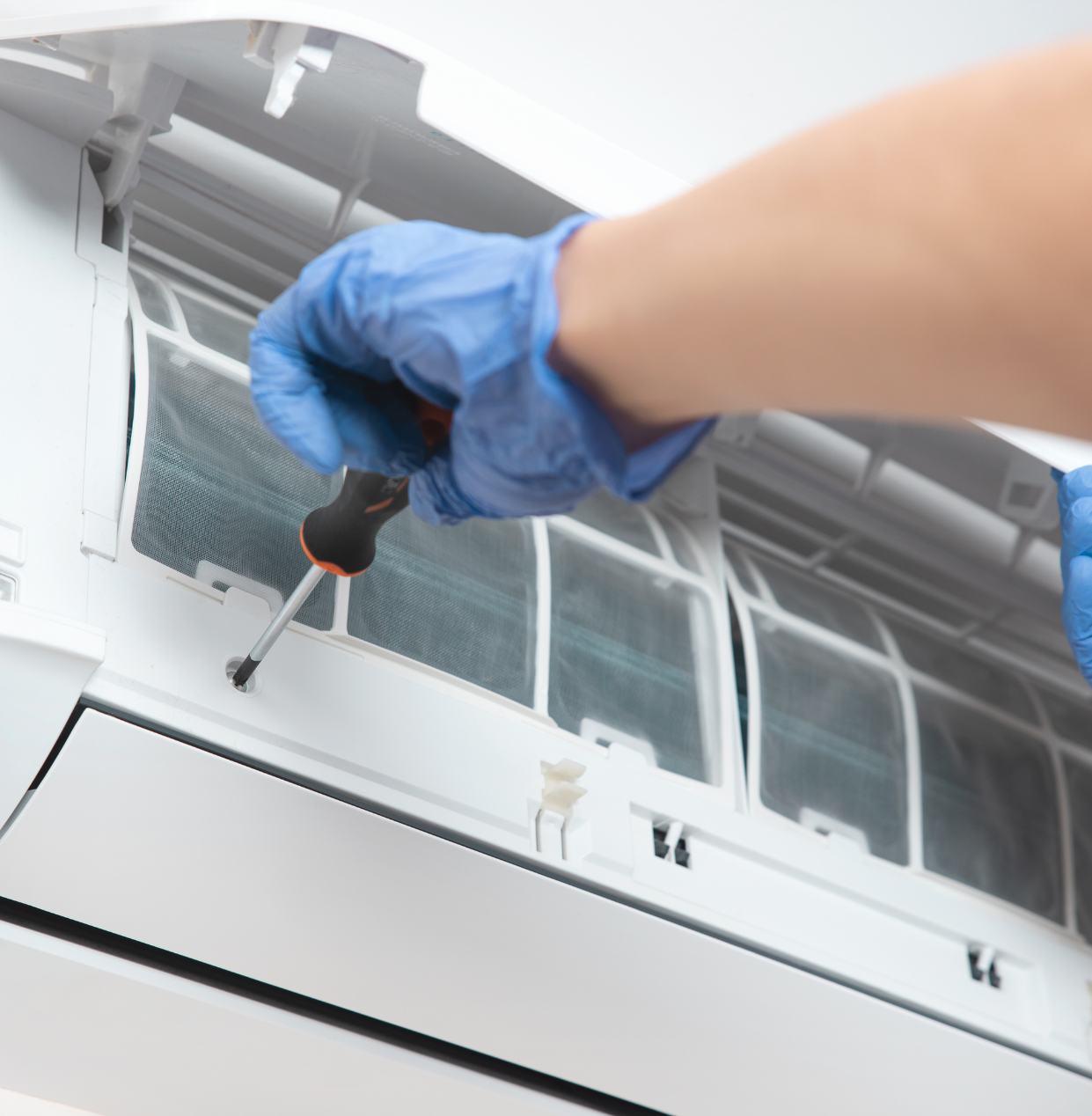
When you call a reputable HVAC contractor in Kansas City MO, a solid visit is not just listening for noise. A professional diagnosis combines sound, airflow, electrical checks, and operational testing.
You can expect a technician to:
- Confirm which blower and fan assemblies produce the sound Inspect the mounting and the cabinet panels for loose hardware Check the indoor filter condition and verify airflow indicators Review electrical components like contactors and capacitors when symptoms align Evaluate refrigerant performance indicators indirectly through operating conditions and system behavior
Exact steps vary by system age and design. But the best technicians treat noise as a clue, not a diagnosis by itself. They also look for “why now,” meaning what changed, storms included.
If you are concerned about spending, ask about prioritization. Many repairs can be scheduled in a way that prevents secondary damage. For example, fixing a rubbing fan or tightening a mount may be lower risk than replacing a major component immediately, but it still needs to be done with the root cause in mind.
Noise and system age: when repair makes sense and when it does not
AC repair decisions are not purely about the sound. Age and overall condition influence the best course of action.
A ten-year-old unit with multiple symptom types, repeated breakdowns, and declining efficiency often ends up being a candidate for replacement rather than endless patchwork. Meanwhile, a newer system with a single failed capacitor or minor fan issue usually does not demand a full replacement.
The complication is that noise can mask other problems. A loose fan blade might be the immediate cause of the sound, but the reason the fan blade shifted could be a worn motor mount or vibration from other causes. That is why “fix the sound only” thinking can backfire.
If you have an older system and the noise coincides with weak cooling or higher humidity retention, a technician may recommend a broader evaluation. That broader conversation is not upselling by default. It is often a practical attempt to prevent you from paying for repeated repairs that keep the unit limping along.
AC maintenance that prevents many “noise season” calls
Noise complaints tend to spike during heavy-use months. That is when tiny issues become obvious. Regular AC maintenance in Kansas City helps keep moving parts aligned, keeps airflow stable, and catches early wear before it turns into loud failure sounds.
Maintenance is not glamorous, but it works. Filters, airflow paths, blower condition, and minor adjustments have a real effect on how smoothly the system runs. It also makes the “what changed?” question easier. When a unit is maintained, you have a clearer baseline for what normal sounds and performance look like.
If your unit is already making strange noises, maintenance alone will not fix a failing bearing or a bent fan blade. But maintenance can prevent the kind of wear that leads to those failures in the first place.
Here are a few examples of what maintenance often includes in practice, depending on the company and system type:
- inspecting and replacing filters to maintain proper airflow checking blower and fan operation for smooth rotation and safe clearances cleaning debris and verifying that airflow paths are not blocked testing electrical components when appropriate for the system design documenting performance so changes show up sooner
The goal is simple: keep the system operating within design conditions so it is not forced to compensate for failing parts.
What to ask when you call a technician
When you are paying for HVAC repair in Kansas City MO, you want clarity and a plan. Most good companies welcome questions because it leads to better decisions. If you are calling about strange noises, you can ask very specific questions tied to the sound you are hearing.
Here is what I recommend asking during the call or early in the visit:
- Which component is most likely making the noise, and what evidence supports that? Is it safe to run the system until the appointment, or should we shut it off? What are the repair options at different price points, and what are the risks of waiting? If you suspect electrical or refrigerant issues, what tests will confirm it? If this is a recurring issue, what maintenance step or adjustment prevents it next time?
A technician who answers these questions clearly is usually the one you want in your home. Confident explanations often correlate with solid diagnostics.
If you need AC installation instead of repair
Sometimes the best answer is not repair. If your system is old, inefficient, and repeatedly failing, a new installation can stabilize comfort and reduce ongoing costs. Noise can be part of that story, especially if it reflects multiple failing components.
If you are considering AC installation in Kansas City, it helps to keep the conversation centered on outcomes: stable cooling, quieter operation, and predictable energy use. A good contractor will also consider ductwork, insulation, and load calculations. Oversized or mismatched equipment can lead to short cycling and uncomfortable humidity behavior, even if it cools enough to satisfy the thermostat.
A noise problem https://www.google.com/search?kgmid=/g/11g2szs6h5 that keeps returning can be one more signal that the overall system design is no longer a good fit for your home, not just that a single part needs replacing.
Common “noise stories” from the real world
A lot of homeowners notice the same themes.
One customer heard a high, repeating squeak whenever the outdoor fan kicked on. The unit still cooled, but the sound grew sharper. When we inspected it, the outdoor fan blade was contacting a guard due to a slightly shifted mounting position after winter vibration. The repair involved tightening and realigning, plus verifying the fan motor condition. The noise stopped, and the unit cooled more steadily because airflow improved.
Another homeowner described a rhythmic clicking that sounded like a relay, but it happened more often than usual. The unit would start, then stop after a short burst, then try again. The thermostat showed little progress on temperature. The diagnostic pointed to a capacitor-related failure that was causing unreliable compressor engagement. Once corrected, the clicking returned to normal cycle behavior, and comfort improved quickly.
These examples underline a key point: noise is not just “annoying.” It is often the earliest visible symptom of a reliability problem. Catch it early and you usually get more options, including lower-cost repairs.
Final decision rules: how to choose your next step
You do not need to be an HVAC expert to make a good call. You just need a few decision rules you can trust.
If the noise is new and persistent, treat it like a reliability issue. If the noise is paired with warm air, weak airflow, or rapid cycling, treat it like a system performance issue. If the noise is grinding, electrical buzzing, or escalating quickly, treat it as urgent.
And if you feel uncertain, that uncertainty itself is a reason to call. An experienced HVAC contractor can confirm whether the sound is minor and safe, or whether it indicates a component that is failing and could damage other parts.
If you are hearing strange noises from your air conditioner right now, scheduling AC repair in Kansas City MO is the fastest way to get a real diagnosis and protect your system from bigger problems.
All 4 One Heating & Cooling
5828 Woodland Ave, Kansas City, MO 64110, United States
816-699-8366
[email protected]
Website: https://all4onekc.com/